Why a US Progressive Slot’s RTP Drops as the Jackpot Grows
The meter climbing on a US progressive slot is not a gift—it is a liability transfer, and the math behind that transfer is brutal once you strip away the casino floor theater. Every dollar fed into the jackpot pool is a dollar removed from the reels, and that reshuffling of expected value is exactly why the advertised return collapses the moment the counter starts spinning upward. 🎰
The Base Game Is Bleeding by Design
Progressive machines in US jurisdictions are wired so that a fixed percentage of every wager—often between one and four percent—gets siphoned into the shared meter before a single payline is evaluated. That skim is not cosmetic. It physically reduces the coin-in available for base-game payouts, which means the effective RTP of the reels you are actually spinning is lower than the marketing figure printed on the glass. The headline number assumes the jackpot contribution stays in your theoretical return. It does not. It leaves your pocket the instant the bet registers.
The Jackpot Is a Loan You Are Funding
Here is the part the floor staff never explains: the growing meter is not free money waiting to be claimed. It is a pooled escrow account that you and every other player have been financing through reduced base-game payouts. When the jackpot is finally hit, the winner collects a sum that was already extracted from thousands of losing spins. The progressive jackpot contribution is a compulsory tax on every spin, and the house never absorbs that cost—it simply relocates it. 🧮
Two RTP Numbers, One Ugly Truth
Pull the PAR sheet on any US progressive and you will find two distinct return figures. The first is the base-game RTP with the jackpot contribution stripped out—usually a grim 85 to 92 percent on many older units. The second is the theoretical return including the jackpot, which only holds if you actually win the jackpot. Since the odds of hitting the top prize are often measured in tens of millions to one, the realistic player expected value sits far closer to the stripped figure than the glossy one. The meter rising does not improve your odds of triggering the win; it only changes the size of a prize you will almost certainly never see.
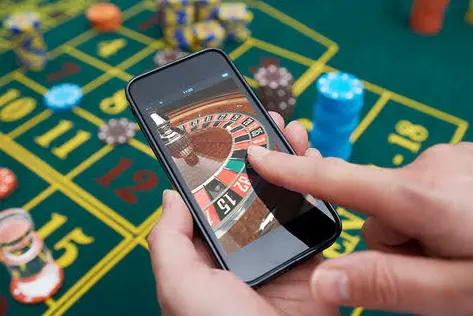
Why the Meter Rise Feels Like Value but Isn’t
The psychological trap is elegant and deliberate. A jackpot at 1.2 million dollars looks like a better bet than the same machine sitting at 400 thousand, so players pour in faster. But the mechanism driving the number up is the same mechanism draining the base game. The meter growth is a symptom of heavy coin-in, not a signal of improved odds. On many US configurations, the trigger probability is static—fixed in the RNG logic regardless of meter size—so a bloated jackpot is simply a larger carrot attached to an identical stick. 🎯
Where the Money Actually Leaks
Trace the flow: your wager enters, a slice exits to the meter, the remainder funds a base game calibrated to a lower payout schedule than a standalone machine. The progressive linkage also introduces administrative and regulatory escrow costs that further compress the return. On wide-area networks spanning multiple properties, the contribution rate and the reset value are locked by contract, leaving operators zero flexibility to soften the blow during dry spells. The house edge widens precisely when the jackpot is most tempting, and the meter’s upward march is the visible evidence of that widening.

The Reset Cliff Nobody Warns You About
When the jackpot finally pops, the meter slams back to its seed value and the contribution siphon keeps running at the same rate. The base-game RTP does not recover to compensate—it stays depressed because the network still needs to refill the pool. Players who flock to the machine right after a reset are walking into the worst possible configuration: full contribution skim, minimal jackpot, and the same static trigger odds. The progressive slot RTP is at its floor, and the only thing climbing is the house’s confidence that you will not do this arithmetic before inserting your card. 💸